Exploring Extrusion Blow Molding for Custom Plastic Solutions
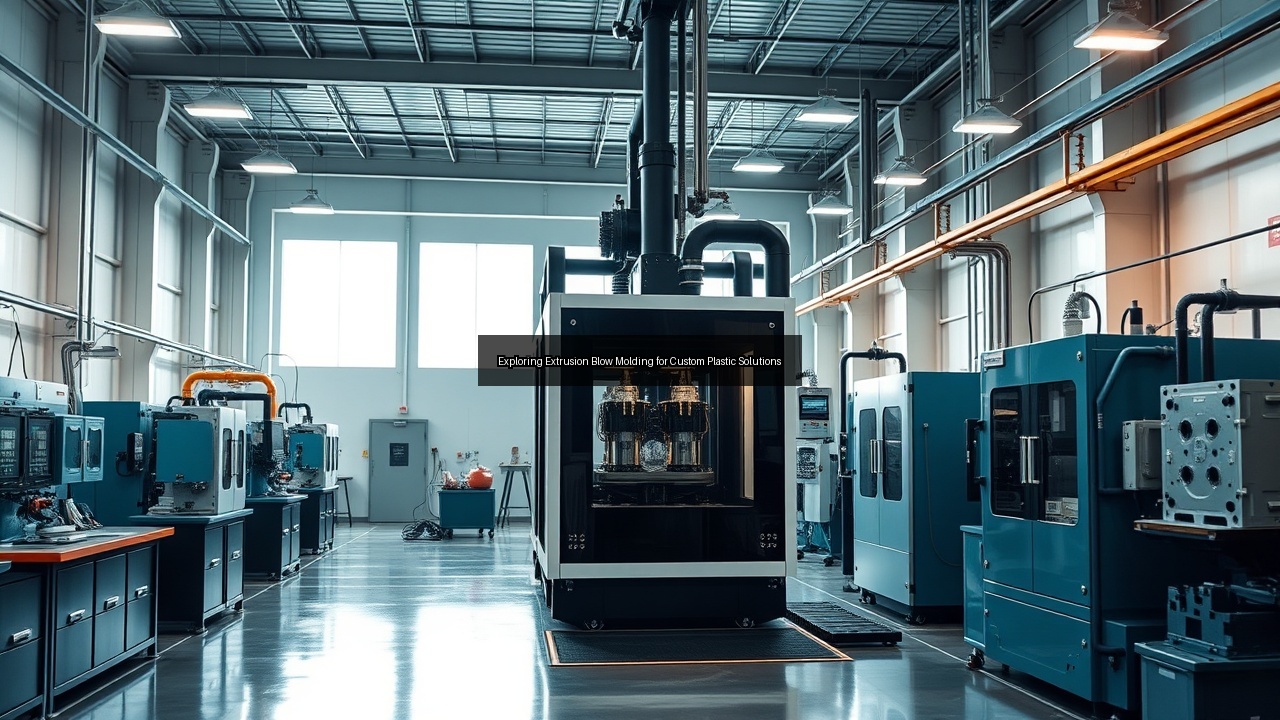
Understanding Extrusion Blow Molding
Overview of Blow Molding Processes
Extrusion blow molding stands out as a key method in the manufacturing of custom plastic solutions. This process begins with melting plastic resin and extruding it into a hollow tube, or parison. Once the desired length is achieved, the parison is clamped between two halves of a blow mold. Air is then introduced, inflating the parison to take the shape of the mold. This technique is particularly effective for producing hollow parts, such as bottles, containers, and various industrial components. Understanding this foundational process is crucial for industries seeking efficient and versatile manufacturing options.
Key Differences Between Blow Molding Techniques
Blow molding encompasses several techniques, including extrusion blow molding, injection blow molding, and stretch blow molding. The primary distinction lies in how the plastic is formed and shaped. In extrusion blow molding, the parison is extruded, while injection blow molding involves injecting molten plastic into a mold before it is blown into shape. Stretch blow molding, on the other hand, combines injection molding and stretching to create strong, lightweight containers. Each method offers unique advantages tailored to specific applications, making it essential for manufacturers to select the right technique based on their product requirements and production goals.
Applications of Extrusion Blow Molding
Extrusion blow molding serves a wide array of applications across various industries. From the food and beverage sector, which relies on strong, lightweight bottles, to the automotive industry, where complex shapes and durability are essential, this technique excels in producing blow-molded parts that meet stringent quality standards. Additionally, industries such as cosmetics and healthcare benefit from custom blow molds that cater to unique packaging needs. As demand for sustainable packaging grows, extrusion blow molding adapts by incorporating recycled materials, positioning it as a forward-thinking solution in the evolving landscape of plastics manufacturing.
Advantages of Custom Blow Molding Solutions
Cost-Effectiveness in Large Production Runs
Custom blow molding provides significant cost advantages, particularly in large production runs. The efficiency of the extrusion process minimizes material waste, ensuring that manufacturers can produce high-quality products without incurring excessive costs. Additionally, the ability to create blow molds that are tailored to specific designs further enhances cost-effectiveness. Once the initial mold is created, the production of each unit becomes increasingly economical. This makes extrusion blow molding an ideal choice for businesses looking to scale their operations while maintaining profitability, especially when high volumes of standardized products are required.
Design Flexibility and Customization
One of the standout features of custom blow molding is its design flexibility. Manufacturers can work closely with their clients to create blow molds that meet specific dimensions, shapes, and functionalities. This level of customization allows for innovative product designs that stand out in the marketplace. Whether it’s a uniquely shaped container for a beverage or a specialized component for industrial use, the ability to adapt designs ensures products not only meet consumer expectations but also align with branding and marketing strategies. This versatility in design makes custom blow molding a preferred choice for companies aiming to differentiate their products.
Material Efficiency and Waste Reduction
Material efficiency plays a critical role in the appeal of custom blow molding. The extrusion blow molding process is inherently designed to minimize waste, as the parison is precisely engineered to match the volume of the final product. This ensures that manufacturers utilize only the necessary amount of plastic, leading to less scrap and reduced costs. Moreover, advancements in blow-molding technology allow for the integration of recycled plastics, further enhancing sustainability efforts. Companies increasingly prioritize eco-friendly practices, and the efficiency of custom blow molding aligns perfectly with these goals, making it a responsible choice for modern manufacturing.
Innovations in Blow Molding Technology
Leading Edge Plastics Machinery
The evolution of plastics machinery has significantly influenced the capabilities of blow molding processes. Manufacturers invest in leading-edge equipment that enhances precision, speed, and overall production quality. Modern extrusion blow molding machines come equipped with advanced controls and monitoring systems, allowing for real-time adjustments during production. This technology not only improves efficiency but also ensures consistent quality across large runs. Additionally, innovations such as multi-layer blow molding enable the creation of complex products with varied material properties, offering enhanced performance characteristics tailored to specific applications.
Integration of Automation in Blow Mold Making
Automation has transformed mold making in the blow molding industry. Automated systems streamline the design and fabrication of custom blow molds, drastically reducing lead times and improving accuracy. With computer-aided design (CAD) and computer numerical control (CNC) machining, manufacturers can create intricate mold designs that were once labor-intensive and time-consuming. This level of automation not only enhances production efficiency but also allows for rapid prototyping and adjustments, ensuring that the final product meets exact specifications. The integration of automation in blow mold making represents a significant advancement in the quest for precision and efficiency in the plastics industry.
Comparison with Injection Blow Molding and Stretch Blow Molding
While extrusion blow molding offers many advantages, it is essential to compare it with other methods such as injection blow molding and stretch blow molding to determine the best fit for specific applications. Injection blow molding excels in producing smaller, precise components with high cosmetic quality, making it ideal for items like pharmaceutical bottles. Stretch blow molding provides enhanced strength and clarity, often used for beverage containers. Each method has unique characteristics that cater to different market needs. Understanding these distinctions empowers manufacturers to choose the right blow molding technique for their custom plastic solutions.
Choosing a Custom Blow Molding Manufacturer
Factors to Consider When Selecting a Manufacturer
When selecting a custom blow molding manufacturer, several factors come into play. Assessing the manufacturer’s experience and expertise in the field of blow molding is critical. Look for companies that have a proven track record of delivering high-quality products and can demonstrate their capabilities through case studies or client testimonials. Additionally, consider their technological capabilities and whether they invest in leading-edge machinery and automation. Evaluating customer service, communication, and support throughout the production process also ensures a smoother collaboration. These considerations play a vital role in finding a reliable partner for custom blow molding solutions.
Benefits of Partnering with Experienced Custom Blow Molding Services
Partnering with experienced custom blow molding services offers numerous benefits. Established manufacturers bring a wealth of knowledge that can guide clients through the complexities of design and production. Their expertise often results in better material choices, innovative designs, and efficient production processes. Additionally, experienced manufacturers can help navigate regulatory requirements, ensuring that products meet industry standards. Access to a broad network of resources can further enhance the quality and efficiency of the final product. This collaboration fosters a relationship built on trust and shared goals, crucial for long-term success in the competitive plastics market.
Future Trends in Custom Blow Molding Solutions
The future of custom blow molding solutions promises exciting innovations and trends. As sustainability becomes a priority, manufacturers are exploring bio-based plastics and advanced recycling techniques to minimize environmental impact. The growing demand for personalized products drives the need for more agile production processes. Companies may adopt smart manufacturing practices, incorporating IoT technologies for real-time data analysis and process optimization. Furthermore, advancements in materials science will likely lead to the development of new plastics with enhanced properties. Keeping an eye on these trends enables businesses to stay ahead of the curve and leverage custom blow molding for future success.