Understanding Tolerances in Hydraulic Component Manufacturing
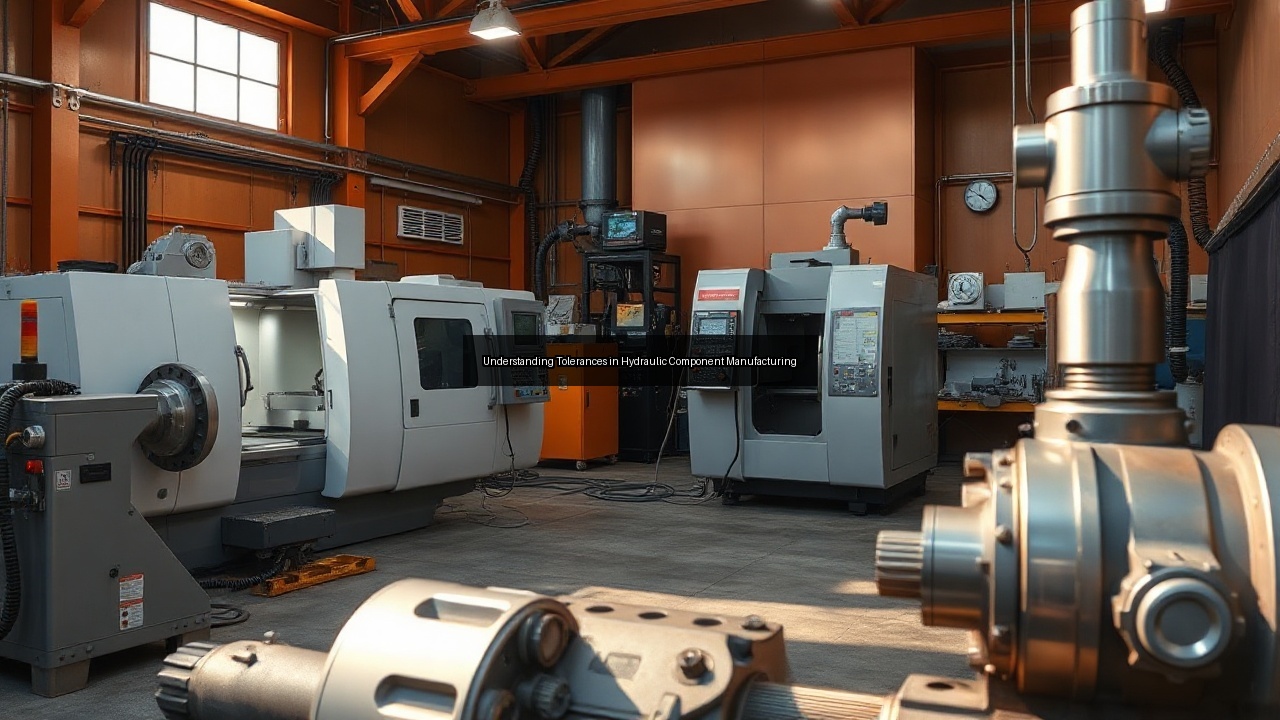
The Importance of Tolerances in Hydraulic Component Machining
Defining Tolerances in Manufacturing
Tolerances represent the allowable variations in dimensions during hydraulic component machining. Manufacturers set these limits to ensure parts fit and function correctly within tight engineering constraints. In practice, a tolerance of 0.001 inches on a piston diameter prevents leaks while allowing assembly. Hydraulic component machining relies on precise control because even minor deviations alter fluid dynamics and create excessive wear. Companies apply these standards across metal removal processes on CNC lathes and grinding equipment to maintain consistency. Tolerances matter most when components enter high-pressure hydraulic systems used in construction equipment and agriculture machinery. Proper definition starts with blueprint specifications that guide every machining step from roughing to finishing.
Engineers calculate tolerances based on material properties and operational demands. Tool steels demand tighter ranges than plastics because they resist deformation under load. Hydraulic component machining incorporates Swiss-style turning for sub-micron accuracy on small spools. This approach reduces scrap and improves repeatability across production runs. Manufacturers document every tolerance to support traceability and future design changes. The result keeps machined parts interchangeable and reliable in demanding environments.
The Role of Tolerances in Hydraulic Systems
Tolerances directly influence how hydraulic systems manage pressurized fluid without failure. Precise machining of pistons and spools ensures smooth valve operation and consistent flow rates. When tolerances drift, fluid leaks develop and pressure drops occur across the circuit. Hydraulic component machining teams target specific clearances that optimize performance while minimizing friction. Automated machines monitor these dimensions in real time to hold specifications during long runs. Construction equipment and automotive applications depend on this level of control to deliver responsive power steering and lifting functions.
Fluid dynamics calculations incorporate tolerance data to predict system behavior under load. Manufacturers adjust machining parameters on CNC machining centers to achieve the required surface finishes that support seals. Tolerances also affect heat generation and component longevity in marine and aerospace hydraulic equipment. Consistent adherence prevents cavitation and maintains efficiency throughout the service life of the machine.
Impact of Tolerances on Performance and Safety
Accurate tolerances prevent catastrophic failures in hydraulic equipment by limiting excessive play between moving parts. Poor control during hydraulic component machining leads to accelerated wear on tool steels and corrosion-resistant surfaces. In agriculture and construction, a single out-of-tolerance spool can disable an entire system and create safety hazards for operators. Manufacturers therefore implement strict inspection protocols after grinding and CNC operations to verify every critical dimension. This practice protects both equipment and personnel in high-stakes applications.
Performance gains appear quickly when tolerances stay within limits. Reduced internal leakage improves response times and lowers energy consumption across hydraulic systems. Quality assurance programs track tolerance data to identify trends that could affect future batches. Aerospace and marine users demand the tightest controls because downtime carries heavy costs. Proper tolerance management ultimately extends service intervals and lowers maintenance expenses for end users.
Types of Hydraulic Components and Their Machining Requirements
Overview of Common Hydraulic Components
Hydraulic component machining covers a wide range of parts including cylinders, valves, pumps, and accumulators. Each piece requires unique tolerance strategies based on its role in fluid power circuits. Pistons transmit force while spools direct flow, so their machined surfaces must meet exacting standards. Forgings and castings start the process before final machining removes material to achieve precise geometries. Manufacturers serve industries such as automotive, agriculture, and construction where these components operate under continuous load.
Common materials range from tool steels to corrosion-resistant alloys and engineering plastics. Hydraulic component machining adapts techniques for each substrate to preserve strength and surface integrity. Automated inspection verifies that every part meets the demands of high-pressure environments. This overview highlights why specialized machining capabilities remain essential for reliable hydraulic equipment production.
Precision Machining of Pistons and Spools
Pistons and spools undergo multiple operations on CNC lathes and grinding machines to reach final tolerances. Hydraulic component machining begins with rough turning of forgings followed by finish grinding that produces mirror-like surfaces. These finishes reduce friction and extend seal life in hydraulic systems. Swiss machining techniques deliver the concentricity required for spools that slide inside valve bodies without binding. Manufacturers monitor every pass to maintain diameter tolerances that prevent internal leakage.
Automated tool changes on machining centers allow efficient production of complex piston profiles in a single setup. Tool steels provide the durability needed for high-cycle applications in construction equipment. Proper machining also controls roundness and cylindricity, which directly affect fluid dynamics performance. Consistent results from these processes ensure pistons and spools function reliably across temperature extremes encountered in automotive and marine service.
Fabrication Techniques for Forgings and Castings
Forgings and castings require initial machining to remove scale and establish datum surfaces before precision work begins. Hydraulic component machining applies heavy roughing cuts on robust CNC machines followed by lighter finishing passes. This sequence preserves material integrity while achieving the tight tolerances demanded by hydraulic systems. Grinding removes remaining stock and creates the smooth finishes necessary for sealing surfaces on pistons and valve bodies.
Manufacturers select machining centers equipped with live tooling to handle complex features in fewer operations. Corrosion-resistant materials often appear in castings destined for marine or agricultural use. Waste reduction comes from optimized tool paths that maximize material removal rates without compromising accuracy. These fabrication methods support high-volume production while meeting the performance expectations of construction and aerospace customers.
Machining Technologies and Processes for Hydraulic Components
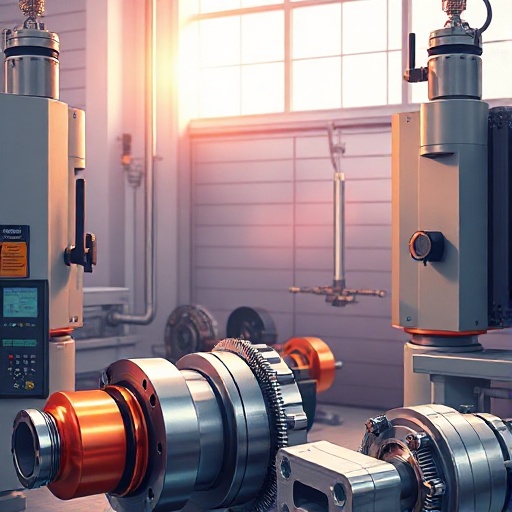
CNC Machining: The Backbone of Precision Manufacturing
CNC machining forms the foundation of modern hydraulic component machining because it delivers repeatable accuracy across complex geometries. Multi-axis machines handle pistons, spools, and valve bodies in one setup, reducing handling errors. Manufacturers program tool paths to maintain tolerances that support efficient fluid dynamics inside hydraulic systems. CNC lathes excel at turning cylindrical features while machining centers mill ports and mounting surfaces with equal precision.
Integration with automated loaders increases throughput for high-volume runs of agricultural and construction equipment parts. Tool steels respond well to carbide inserts running at optimized speeds and feeds. This technology also accommodates corrosion-resistant alloys used in marine applications. CNC capabilities allow rapid design changes without extensive retooling, giving manufacturers flexibility when customer requirements evolve.
Grinding Techniques for Enhanced Surface Finish
Grinding delivers the final surface quality essential for hydraulic component sealing and low-friction operation. Hydraulic component machining sequences typically end with cylindrical or surface grinding that removes microns of material. These operations achieve finishes below 16 microinches, which minimizes wear on pistons and spools. Manufacturers use diamond and CBN wheels to process hardened tool steels without inducing heat damage.
Automated grinding centers maintain consistent pressure and feed rates across production batches. The resulting surfaces improve fluid dynamics efficiency and extend component life in demanding automotive and aerospace environments. Grinding also corrects any slight deviations left from earlier CNC operations. This step proves critical for parts that must withstand high pressures without leakage or scoring.
Automated Machining Centers and Their Advantages
Automated machining centers combine milling, drilling, and turning capabilities to streamline hydraulic component machining workflows. Pallet changers and robotic loading reduce idle time between cycles. Manufacturers achieve higher efficiency while holding tight tolerances on spools and valve components. These systems integrate probing for in-process verification that catches deviations before parts leave the machine.
Construction and agriculture equipment producers benefit from the speed and consistency these centers provide. Tool steel and plastics both process effectively when parameters are optimized for each material. Waste drops because automated tool monitoring prevents crashes and scrap. Overall, these technologies support scalable production of precision hydraulic equipment with minimal operator intervention.
Materials Used in Hydraulic Component Manufacturing
Selection of Tool Steels for Durability
Tool steels dominate hydraulic component machining when strength and wear resistance matter most. Grades such as 4140 and 17-4 PH deliver the hardness needed for pistons and spools under continuous pressure. Manufacturers heat-treat these metals after rough machining to reach optimal properties before final grinding. Hydraulic systems in construction equipment rely on this durability to avoid premature failure.
Machinability remains a key consideration during material selection. CNC machines cut tool steels efficiently when proper coolants and speeds are applied. The resulting parts resist deformation and maintain tolerances throughout their service life. Aerospace and marine applications often specify premium tool steels that balance toughness with corrosion resistance for extended performance.
Machinability of Plastics in Hydraulic Applications
Plastics such as PTFE and engineered polymers offer excellent machinability for hydraulic component machining when weight reduction or chemical compatibility is required. These materials machine cleanly on CNC lathes without the burrs common in metals. Manufacturers produce seals, bushings, and low-pressure spools that perform well in corrosive environments. Hydraulic systems benefit from the low friction coefficients these plastics provide.
Precision grinding further refines plastic surfaces to meet sealing requirements. Agriculture and automotive equipment often incorporate plastic components to reduce cost and noise. Proper fixturing prevents distortion during machining, preserving the tight tolerances necessary for reliable operation. This approach expands design options while maintaining system efficiency.
Corrosion-Resistant Materials for Harsh Environments
Corrosion-resistant alloys and stainless steels protect hydraulic components exposed to saltwater, chemicals, or extreme weather. Hydraulic component machining of these materials requires careful parameter control to avoid work hardening. Marine and offshore equipment depends on these metals to maintain integrity over long service intervals. Manufacturers apply passivation after machining to enhance surface protection.
Grinding produces the smooth finishes that reduce crevice corrosion risks on pistons and valve bodies. Aerospace and construction customers specify these materials when reliability in harsh conditions is non-negotiable. Automated machining centers equipped with appropriate tooling deliver consistent results across batches. The combination of material choice and precise machining ensures hydraulic systems continue operating safely despite aggressive environments.
Quality Assurance in Hydraulic Component Machining
Implementing ISO 9001 Standards
ISO 9001 certification guides quality assurance practices throughout hydraulic component machining operations. Documented procedures cover every step from material receipt to final inspection. Manufacturers track tolerances on pistons, spools, and forgings to demonstrate consistent process control. This framework reduces variation and supports continuous improvement across CNC machining and grinding departments.
Audits verify that machines remain calibrated and operators follow approved methods. Hydraulic equipment for automotive and agriculture markets benefits from the discipline ISO 9001 enforces. Traceability records allow quick identification of any batch that requires review. The standard ultimately strengthens customer confidence in the precision and reliability of delivered components.
Testing and Inspection Methods for Hydraulic Components
Testing and inspection confirm that machined hydraulic components meet all dimensional and functional requirements. Coordinate measuring machines verify tolerances after CNC operations while surface profilometers check finish quality. Pressure testing simulates actual hydraulic system conditions to detect leaks before parts ship. Manufacturers apply these methods to every production run serving construction and marine industries.
Non-destructive testing such as dye penetrant inspection catches surface defects in tool steels and corrosion-resistant materials. Automated vision systems speed up spools and piston checks without sacrificing accuracy. Data from these inspections feeds back into process adjustments that maintain efficiency. Thorough validation protects end users from unexpected failures in critical fluid power applications.
Waste Reduction and Efficiency in the Manufacturing Process
Waste reduction begins with optimized tool paths and nesting strategies during hydraulic component machining. CNC programs minimize excess material removal while preserving required tolerances. Manufacturers recycle metal chips and reuse cutting fluids to lower environmental impact and operating costs. Automated machining centers further improve efficiency by reducing setup times between different component runs.
Process monitoring identifies opportunities to decrease scrap rates on plastics and forgings alike. Hydraulic equipment producers gain competitive advantage through these efficiency gains. Lean principles applied to grinding and finishing operations cut cycle times without compromising quality assurance standards. The result delivers more value to customers in agriculture, automotive, and aerospace sectors while supporting sustainable manufacturing practices.
See Also
- Exploring the Role of Tool Steels in Hydraulic Component Durability
- Fluid Dynamics and Its Impact on Hydraulic Component Machining
- The Future of Automated Hydraulic Component Machining Technologies
- Optimizing Machinability of Plastics in Hydraulic Component Design
- Maximizing Efficiency in CNC Machining of Hydraulic Systems